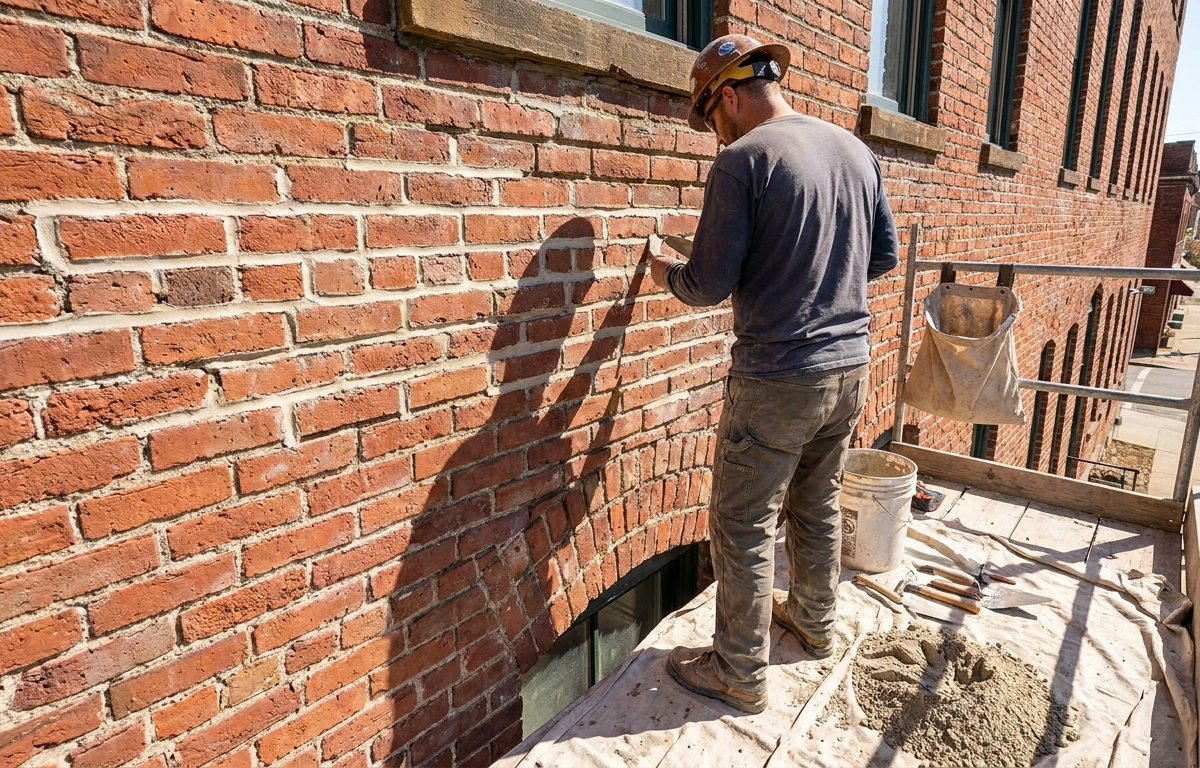
A repointed brick wall doesn't finish curing for two to three weeks — the new mortar keeps lightening as it dries, so a photo taken the day you pack up the truck looks like patchwork, not finished stonework. Most advice about getting reviews says ask right after the job, while the customer's happy and the work is fresh in their mind. For masonry, that's often the worst possible moment. The joints are still dark, the site's still dusty from the grinder, and the wall hasn't settled into the look the customer actually paid for.
Ask When the Job Looks Like the Job
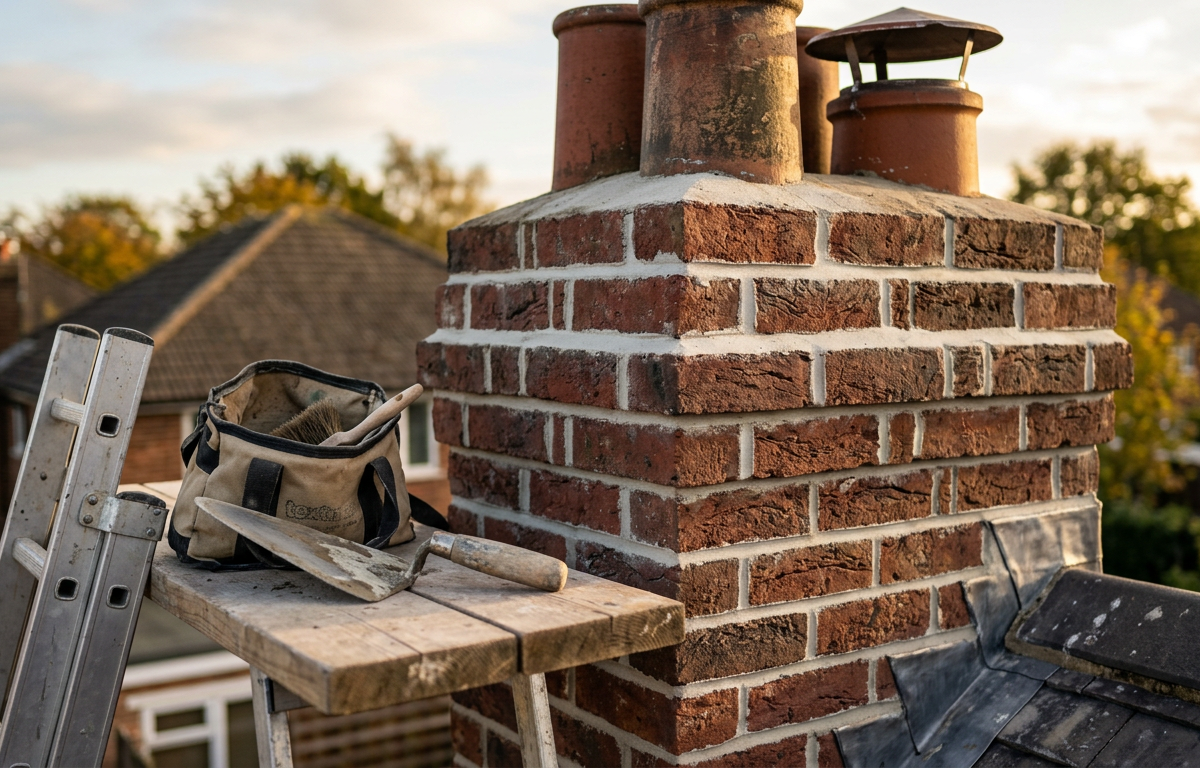
Set the ask for ten to fourteen days out, not ten minutes out. A text with two photos — the fresh mortar day-of, and the same wall a week and a half later once it's lightened and blended in — does more than a five-star request ever will. You're not asking a stranger to trust your work on faith. You're showing them the difference and letting them write the review about something they can actually see finished.
Build a simple habit around it. When you close out a job, set yourself a reminder for day ten. Send the photo, ask the one question — "mind leaving a review? here's the link" — and move on. No follow-up nagging, no second text if they don't answer. One clean ask, timed right, beats three pushy ones.
What Masonry Actually Bills Per Square Foot
Repointing and veneer work in this trade prices by area, not by the hour, and the real numbers explain why timing the ask matters so much: a masonry job stays visible on that property for decades. SideWRK's live rate report for masonry puts the going rate around $12 a square foot for repointing and veneer work, with labor eating roughly 80% of the ticket — mortar and tools cost little next to the hours of grinding out old joints and packing new ones by hand.
Run the math on a 100-square-foot chimney or foundation repoint at that rate: $1,200 total, $960 of it labor, the remaining $240 covering mortar mix, blade wear, and the trip. Compare that to a small 15-square-foot patch job. Raw square-foot math says $180. But the trade runs on an unwritten $300 job minimum, so that patch prices out closer to $330 in practice. Quote strictly by the square foot on something that small and you're working for less than a helper's wage once you count loading the truck and the drive.
| Job | Scope | Pricing basis | Typical price |
|---|---|---|---|
| Small brick patch | 15 sq ft | $300 minimum applies | $330 |
| Chimney repoint | above roofline | flat scope | $1,200 |
| Wall repoint | 100 sq ft | $12/sq ft | $1,200 |
| Chimney crown repair | patch & seal | flat scope | $450 |
| Stack rebuild | from roofline | flat scope | $2,500 |
If you want a quick number on your next job before you write the estimate, run it through the masonry cost calculator — it's built on the same rate data.
The Street Is Your Billboard
Here's the part most masonry advice skips entirely: this work sits in public view longer than almost any other trade. A drywall patch is inside a wall nobody but the homeowner ever sees. A repointed chimney or a rebuilt set of steps is visible from the sidewalk, every day, for as long as that house stands. That's a referral engine you don't have to build. You just have to point it.
When you finish a job, walk the block. Two neighboring houses with matching 1940s brick almost always have the same repointing problem showing up on the same schedule, five or ten years apart. Leave a door hanger at the two houses next door and across the street — not a flyer, just a card with a photo of the actual wall you just fixed and your number. A homeowner who's been eyeing their own crumbling mortar and sees proof next door books faster than one who finds you cold on Google.
Turning One Job Into a Referral Chain
Three moves, in order, after every job:
- Photo the finished wall at day 10 to 14, not day zero. Send it with the review ask.
- Door-hanger the two closest neighbors that same week, using that photo.
- Log the customer's name, address, and mortar type in SideWRK so a repeat visit — a mailbox, a new set of steps, a second wall a few years later — comes with their job history already on file instead of a cold estimate.
None of this needs an ad budget. It needs timing the ask right and treating the block, not just the one customer, as your market. Your public masonry page is where those neighbors land after they get the door hanger, so it's worth having the photos and the license on file there before you start knocking. And if reviews feel like new ground, roofers run into the same visibility problem — see how roofers win 5-star reviews and referrals for the version of this playbook built for a different roofline.
Want to see how the estimate-to-invoice side of this looks for masonry specifically? Try the live demo — no signup required.
FAQ
How much should I charge to repoint a brick wall?
Repointing typically runs around $12 a square foot, which puts a 100-square-foot wall at roughly $1,200 — about 80% of that is labor, since mortar and tools cost little next to the hours of grinding out old joints and packing new ones. Smaller patch jobs should still clear a roughly $300 minimum even if the square-foot math comes in lower.
When is the best time to ask a masonry customer for a review?
Wait 10 to 14 days after the job, not the day you finish. Fresh mortar is dark and the site's often still dusty right after the work — the wall looks finished once the mortar has lightened and cured, and that's when a photo actually sells the work and earns the review.
How do I get masonry referrals without paying for ads?
Walk the block after every job. Houses of a similar age and brick type nearby often have the same repointing problem coming due, and a door hanger with a photo of the work you just finished on their neighbor's house converts better than any cold ad.
Do I need a license to do masonry side work?
That depends entirely on your state and city — some require a general contractor or specialty license for structural work like retaining walls, others don't regulate cosmetic repointing at all. Check your state and city licensing board before you take on bigger jobs like chimney rebuilds or retaining walls.
What's a typical minimum charge for a masonry job?
Most masons hold to roughly a $300 minimum regardless of how the square footage math works out, since the drive, setup, and cleanup cost the same whether you're patching 10 square feet or 100. A 15-square-foot patch that would price at $180 by the square foot alone should still be quoted closer to $330 once the minimum applies.
Every job, review, and repeat customer stays organized in one place when you write the estimate there in the first place. Start your free 14-day trial — no card required.