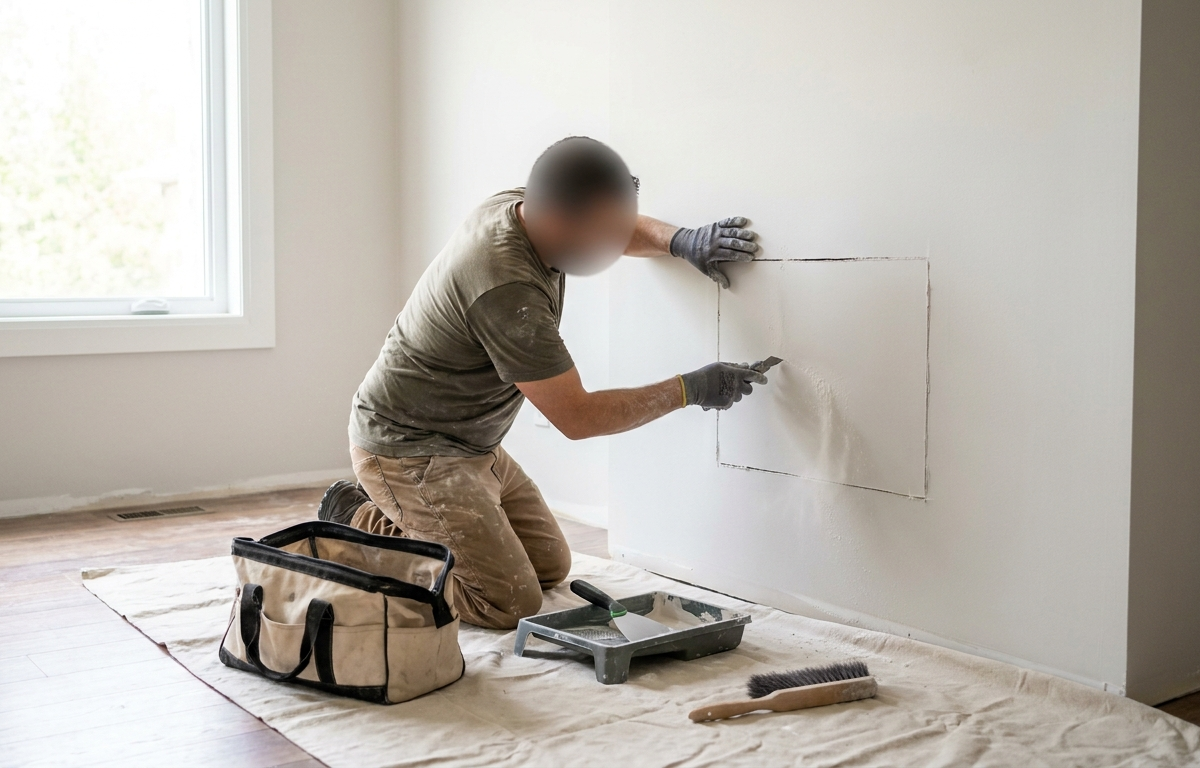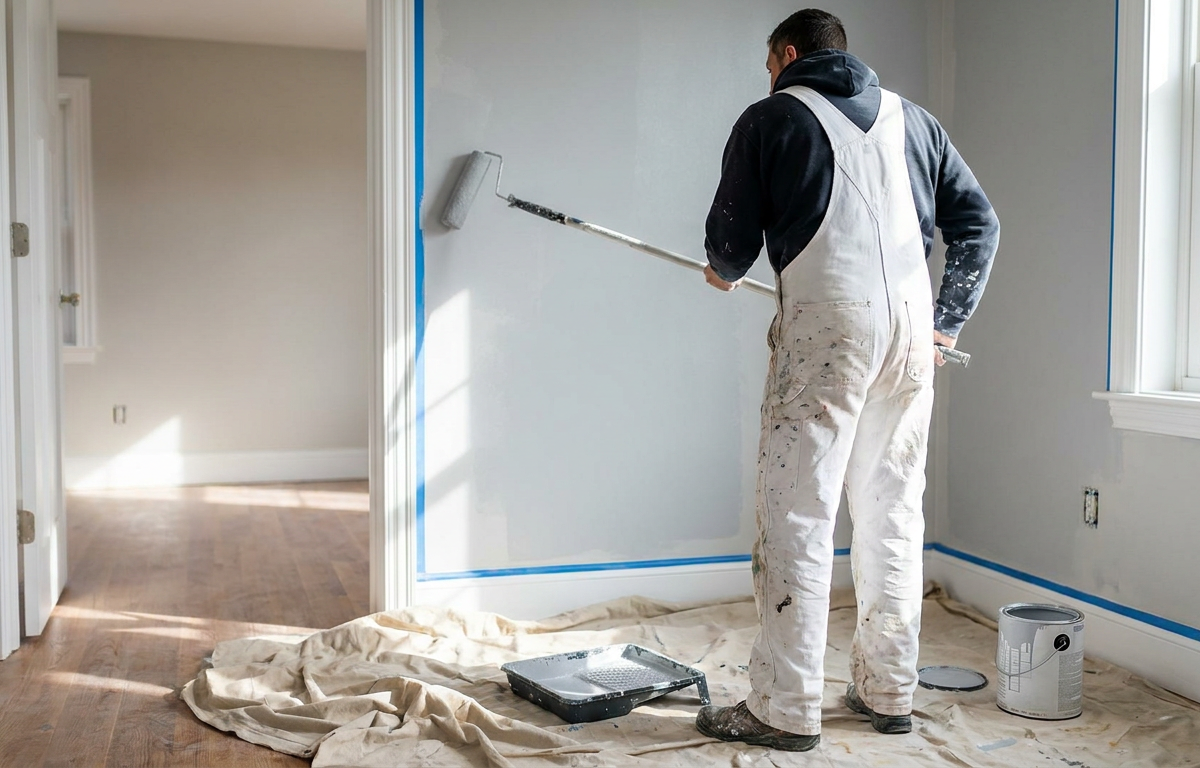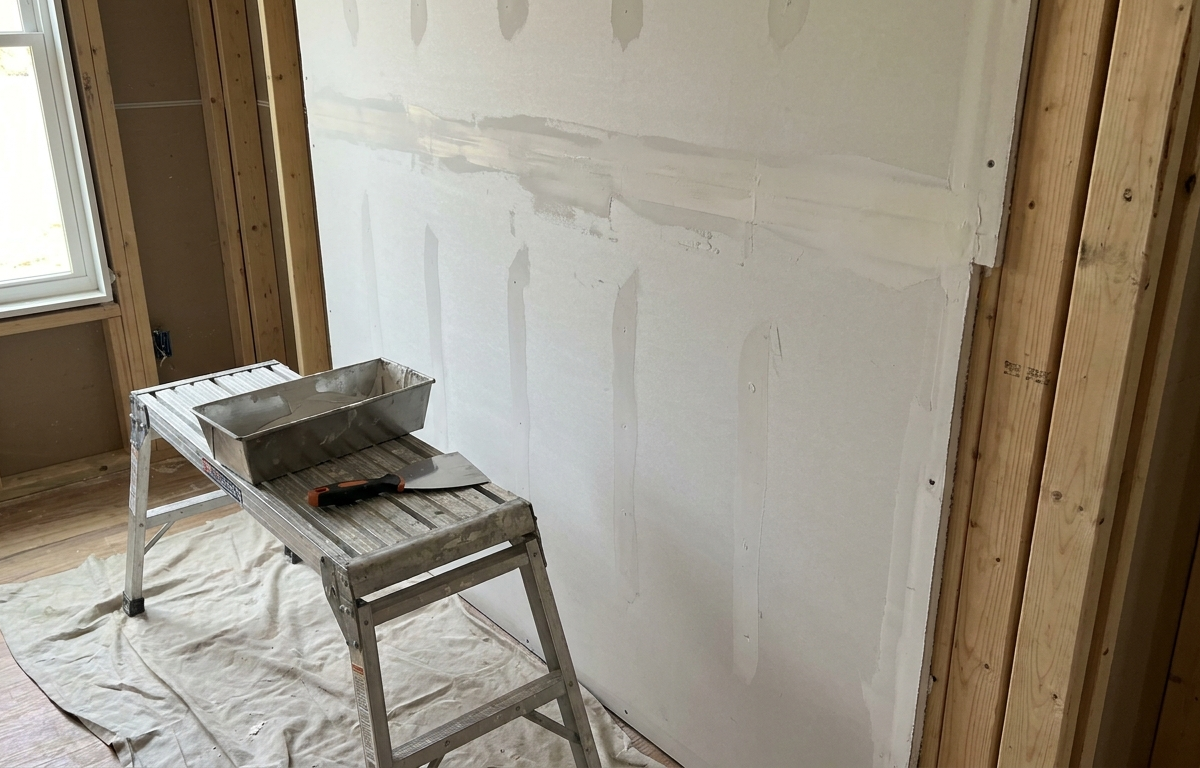
A general contractor's superintendent has two drywall bids on the tailgate of his truck. Both are for the same basement finish. One's a text message with a number in it. The other has a scope of work, a materials breakdown, and a line noting the house was built in 1974 — so the demo crew needs to watch for lead paint on the trim before anyone starts sanding. He doesn't need to think hard about which sub gets the callback.
That second bid isn't winning because it has a logo on it.
Every drywall bid template site on the internet will tell you to add your branding, clean up your formatting, and use "professional" software. That's table stakes advice — every competitor reading the same articles is already doing it. What actually separates a real business from a guy with a mud pan and a truck is knowing what belongs on the paper besides the price.
The bid that looks like everyone else's
Search "how to bid drywall jobs" and you'll get the same five points on every result: include scope, materials, labor, timeline, payment terms. All true. All obvious. None of it explains why a GC keeps calling the same three subs back and ghosts everyone else after one job.
Drywall gets treated as commodity labor more than almost any other trade out there — hang it, tape it, done, next house. That reputation is earned by subs who show up, do the work, and hand over an invoice that's a phone number and a total. Beating that isn't about a nicer PDF. It's about documenting the parts of the job that carry real liability, because that's what a GC who's been burned before is actually screening for.
What the estimate is actually pricing
Drywall is one of the few trades that genuinely bills by the square foot rather than the hour — SideWRK's side work rate report puts the real per-trade default around $2.50 per square foot, with labor running roughly three-quarters of that number and materials the rest.
Take a real ticket: a customer's upstairs bathroom leaks through the ceiling into the kitchen below, and you're called for the repair. The damaged section runs about 120 square feet across the ceiling and upper wall. Priced out:
| Line item | Amount |
|---|---|
| Demo & haul damaged board | $150 |
| Hang new 5/8" board — 120 sq ft × $2.50 | $300 |
| Tape, finish, texture match | $350 |
| Primer, stain-block, touch-up materials | $100 |
| Total | $900 |
That's not a hypothetical — it's close to a real water-damage repair ticket on the trade. At a 75% labor share, roughly $675 of that $900 is labor and $225 is materials — the kind of split that matters when you're the one deciding whether a job was actually worth taking, not just whether the invoice cleared. Other real drywall tickets on the same rate card: a patch/repair around $250, a full hang-and-finish job near $1,400, a texture match around $350, a skim coat around $600. Knowing your own numbers against that range is the first thing that makes a bid look considered instead of guessed.
The paperwork a hobbyist never bothers with
Here's the correction to the generic bid-template advice: the line that actually wins repeat work isn't the logo. It's the disclosure.
Two things come up constantly on real jobs and almost never make it onto a handwritten quote. First, sanding joint compound throws fine dust, and some compounds contain crystalline silica — worth noting on the estimate along with basic dust control, because it shows you know the material you're working with, not just how to smooth it. Second, and bigger: cutting into or demolishing painted walls in a house built before 1978 can trigger the EPA's Renovate Right lead-safe rules once you disturb more than roughly six square feet of painted surface in a room. That threshold is small — a single water-damage ceiling repair in an older house can cross it without anyone thinking twice.
A GC who's had a lead-paint scare on a jobsite once will remember which sub flagged the house's age before swinging a hammer and which one didn't.
Put "built before 1978? confirm before demo" as a line on every estimate for an older property, and you've said, without saying it directly, that you've done more than a handful of these jobs. This isn't a compliance guarantee. You're not the one who determines whether a job is fully compliant, and no invoice line does that for you — it's a record that you asked the right question before the wall came down. Always check current EPA and OSHA guidance directly, since specific thresholds can be updated.
Turning the documented estimate into repeat GC work
The homeowner market rewards a good bid once. The GC market rewards a documented one repeatedly, because a superintendent managing six subs on a job doesn't want to think about your scope again after he's approved it — he wants to hand you the keys and check the box. An estimate that already answers "did anyone think about the age of this house" or "is dust containment covered" is one less thing on his list, and that's worth more to him than a marginally lower number from someone he has to double-check.
Send the estimate through something the customer can actually approve from their phone — a typed-name signature and a real scope beats a text that says "sounds good" — and keep a copy of every job's notes for the next dispute or the next tax season. That habit is worth as much for a repair off a handwritten homeowner call as it is on a GC job; see the water-damage upsell guide for how to flag hidden damage on those calls without losing the customer's trust.
The bid on the tailgate
Branding gets you noticed once. A documented estimate — real scope, real numbers, the age-of-house question answered before demo starts — gets you the callback next time and the time after that. Build it with the drywall cost calculator so your price per square foot is consistent job to job, and keep every estimate, note, and signed approval in one place instead of scattered across texts. Start your free 14-day trial — no card required to see how it holds together.
FAQ
How much does drywall repair cost?
Drywall work is typically priced by the square foot rather than by the hour, with a common baseline around $2.50 per square foot depending on scope and region. A small patch repair often runs around $250, while a full hang-and-finish job can land near $1,400; a mid-size water-damage repair (roughly 120 sq ft of ceiling and wall) commonly comes in near $900 once demo, board, taping, and touch-up materials are all counted.
What should be included in a drywall estimate?
Beyond the price: the exact scope (patch, hang-and-finish, texture match, skim coat), a materials breakdown, labor separate from materials, payment terms, and — for any home built before 1978 — a note confirming whether the area has been checked for lead paint before demo starts. That last line is the one most handwritten quotes skip and the one GCs remember.
Do I need a license to do drywall work?
Licensing requirements for drywall and finishing work vary significantly by state and even by city, and some jurisdictions require a general contractor license above a certain job value rather than a trade-specific one. Check your state and local requirements directly before bidding larger jobs, since the threshold that triggers a permit or license often depends on total project cost.
Why does the age of the house matter on a drywall bid?
Homes built before 1978 can have lead-based paint, and disturbing more than about six square feet of painted surface per room during demo can trigger EPA lead-safe renovation rules. Noting the home's age and confirming the wall hasn't been tested — or has been safely handled — before cutting into it protects everyone on the job and signals to a GC or homeowner that you know what you're doing.
How do I get more drywall work from general contractors?
Consistency and documentation matter more than price on repeat GC work. A clean, itemized estimate that flags real risks (lead paint on older homes, dust control on heavy sanding) before they become problems tells a superintendent he won't have to manage you closely — that's usually worth more to him than being the cheapest bid in the stack.